
 +971 50
7774039
+971 50
7774039
 +971 2 550 4002
 sales@globalalarms.ae
Introduction
Fire safety at sea is not just a regulatory requirement—it is a critical necessity. Ships operate in isolated environments where immediate external help is often unavailable, making early fire detection essential. This is where a marine addressable fire detection system plays a vital role. Designed specifically for maritime conditions, these systems offer advanced monitoring, precise detection, and quick response to fire hazards.
In this blog by Global Alarms, we’ll explore what a marine addressable fire detection system is, how it works, and why it is essential for modern vessels.
What is a Marine Addressable Fire Detection System?
A marine addressable fire detection system is an advanced fire alarm system used on ships, offshore platforms, and marine vessels. Unlike conventional fire alarm systems, it identifies the exact location of a fire by assigning a unique address to each detector or device in the system.
This level of precision is crucial in marine environments where quick action can prevent catastrophic damage. Whether it’s an engine room, cargo hold, or accommodation area, the system pinpoints the exact source of the problem, enabling faster and more efficient response.
Key Components of the System
A marine addressable system is made up of several interconnected components that work together seamlessly:
1. Fire Alarm Control Panel (FACP)
This is the central unit that monitors all devices and displays alerts. It provides real-time information about fire incidents and system status.
2. Addressable Detectors
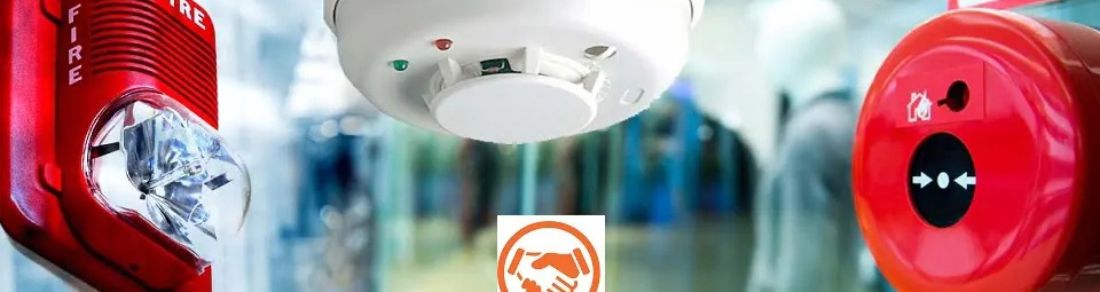
These include smoke, heat, and flame detectors. Each detector has a unique ID, allowing the system to identify its exact location.
3. Manual Call Points
Installed at accessible locations, these allow crew members to manually trigger an alarm during emergencies.
4. Sounders and Visual Alarms
These alert the crew through audible and visual signals, ensuring immediate awareness.
5. Communication Network
A loop-based wiring system connects all devices, ensuring continuous communication with the control panel.
How Does a Marine Addressable Fire Detection System Work?
The working principle of this system is both intelligent and efficient. It operates through continuous monitoring and communication between devices.
Step 1: Continuous Monitoring
All detectors constantly monitor environmental conditions such as smoke levels, temperature, or flame presence.
Step 2: Signal Transmission
When a detector senses abnormal conditions, it sends a signal to the control panel along with its unique address.
Step 3: Identification of Location
The control panel instantly identifies the exact location of the triggered device and displays it clearly.
Step 4: Alarm Activation
The system activates alarms, notifying the crew and initiating emergency protocols.
Step 5: Integration with Safety Systems
In advanced setups, the system can integrate with suppression systems such as FM-200 Fire Suppression Systems in UAE, ensuring automatic fire control in critical areas.
Advantages of Marine Addressable Fire Detection Systems
Accurate Fire Location
Unlike conventional systems, addressable systems pinpoint the exact source of fire, reducing response time significantly.
Early Detection
Sensitive detectors identify fire risks at an early stage, preventing escalation.
Reduced False Alarms
Advanced technology helps differentiate between actual threats and non-threatening conditions.
Scalability
These systems can be expanded easily, making them suitable for vessels of all sizes.
Integration Capabilities
They can work alongside other fire safety systems, including suppression and alarm systems, creating a comprehensive safety network.
Importance in Marine Environments
Marine environments present unique challenges such as humidity, vibration, and confined spaces. A standard fire detection system may not perform reliably under these conditions. Marine addressable systems are specifically designed to withstand such challenges.
They comply with international maritime safety standards and are essential for:
- Cargo ships
- Passenger vessels
- Offshore oil and gas platforms
- Naval ships
In critical areas like engine rooms and control centers, integrating with systems supplied by Fire Hydrant Suppliers in Abu Dhabi further strengthens fire response capabilities.
Applications of Marine Addressable Systems
These systems are widely used across various marine sectors:
- Commercial Shipping
- Ensures safety of cargo and crew by providing real-time monitoring.
- Cruise Ships
- Protects passengers by enabling quick detection and evacuation procedures.
- Offshore Platforms
- Prevents fire hazards in high-risk environments like oil rigs.
Naval Operations
Supports mission-critical safety with advanced detection and response systems.
Maintenance and Best Practices
To ensure optimal performance, regular maintenance is essential. Here are some best practices:s
- Conduct routine inspections and testing
- Ensure detectors are clean and free from dust or obstruction
- Update system software and configurations regularly
- Train crew members on system operation and emergency response
Proper maintenance not only ensures compliance but also enhances the reliability of the system during emergencies.
Choosing the Right Systems
Selecting the right marine fire detection system depends on several factors:
- Type and size of the vessel
- Nature of operations
- Environmental conditions
- Compliance with maritime regulations
Working with experienced providers like Global Alarms ensures you get a system tailored to your specific needs, along with professional installation and ongoing support.
Conclusion
A marine addressable fire detection system is a critical investment in maritime safety. Its ability to detect fires early, identify exact locations, and integrate with advanced suppression systems makes it indispensable for modern vessels.
In an environment where every second counts, having a reliable and intelligent fire detection system can make the difference between a minor incident and a major disaster. By combining advanced detection technology with solutions like FM-200 Fire Suppression Systems in UAE and support from trusted Fire Hydrant Suppliers in Abu Dhabi, you can build a comprehensive fire safety strategy.
